About Foot Pain: Heel Pain
At Jerryfootprint, we blend ergonomic design and quality craftsmanship to create footwear that supports your every step, helping you walk happy and live well.
Jerryfootprint
5/8/20243 분 읽기
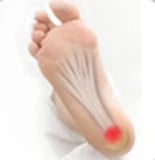
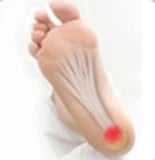
Heel Pain, Heel Spurs, and Plantar Fasciitis: a Common Culprit is Over-Pronation
Millions of people suffer from chronic heel pain, especially in the mornings after getting out of bed, making it by far the most common foot problem. Fortunately,
for most people with heel pain or heel spurs, affordable heel pain relief solutions are now available.
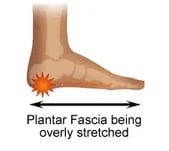
The most common cause of heel pain is Plantar Fasciitis, which consists in the inflammation of the Plantar Fascia, which is the flat band of tissue that supports the
arch of your foot.. Due to factors mainly including over-pronation, painful stretching and tearing of the Plantar Fascia occurs, leading to
inflammation at the attachment of the Plantar Fascia into the calcaneus (heel bone). Constant stretching of the fascia at the heel bone eventually leads to the
development of a bony growth on the heel, which is called a heel spur.
Orthotics Correct Over-Pronation and Relieve Heel Pain
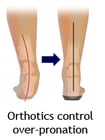
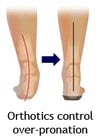
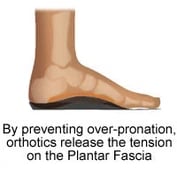
Orthotic insoles are designed to control over-pronation and to restore our natural foot function. Orthotic insoles re-align the foot and ankle bones to their natural
position, thereby restoring proper foot movement. In turn, this helps alleviate many biomechanical complaints such as heel pain, knee pain, and lower back pain.
In addition, foot orthotics ensure our weight is more evenly distributed over the foot, taking pressure of sore spots
– especially in the heel and ball of foot areas.
What Causes Heel Pain, Heel Spurs, and Plantar Fasciitis?
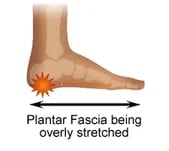
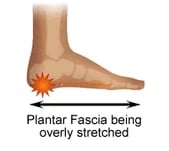
During rest (e.g. when you're asleep), the Plantar Fascia tightens and shortens. When body weight is rapidly applied to the foot, the Fascia must stretch and quickly lengthen, causing micro-tears in the Fascia. Hence, the stabbing foot pain with your first steps in the morning.
Over-stretching of the Plantar Fascia is more likely under the following conditions:
Excessive pronation (flattening of the arch)
Walking on hard surfaces for long periods
Excess weight or pregnancy
Tightening of the calf muscles
Heel Pain and Heel Spur symptoms
Most people who experience heel pain do so with their first steps in the morning, just after getting out of bed. They typically feel a sharp stabbing pain at the bottom or front of the heel bone. Heel pain varies in severity. In most cases, heel pain is more severe following periods of inactivity (e.g. early in the morning or after sitting for a long period).
Treatment of Heel Pain and Heel Spurs
Plantar Fasciitis – heel pain and heel spurs can be treated with simple, non-surgical methods. The most common heel pain relief solutions are:
Rest: Avoid prolonged activity, such as walking, running and sports
Ice: Apply ice for 5 minutes to allow the inflammation to subside
Weight loss
Stretching exercises
A low-cost orthotic shoe insert
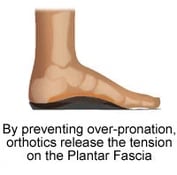
The most effective solution to heel pain is to treat the cause of the problem by correcting abnormal foot mechanics with orthotic insoles. Developed by podiatrists, Biomechanical arch support insoles, developed by foot experts, are designed to control excessive pronation and provide support to the arches. They aid in releasing tension in the plantar fascia, addressing the root cause of plantar fasciitis. Additionally, the soft and shock-absorbing heel cushions help reduce impact on the painful heel, offering additional relief and enhanced walking comfort.
Jerryfootprint
Premium footwear manufacturer with 15+ years of experiense. Specializing in biomechanical innovation.
Quick Navigation
Copyright © 2019-2026 Xiamen Jerryfootprint Imp&Exp Co., Ltd. All Rights Reserved.
OUR NETWORK
SUPPORT
Altafit Corp
APMA Certificate List